Direction of Flow Within the Organization
Downward Flow
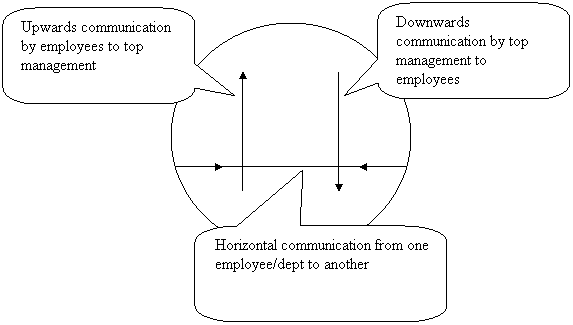
Organizational decisions are made at top level and then flow down to the people who carry them. When employees receive appropriate downward communication from the management, they become motivated and more efficient. They need clear job directions, safety rules, facts about organizational strategy, products, and viewpoints on important controversial issues. They are also concerned about their benefits such as health care, promotions, pensions, training, etc.
Upward Flow
To solve problems and make intelligent decision managers need what is going on in the organization. Upward internal communication is also very important. Many executives want comments from employees in addition to the usual periodic reports. Successful managers listen closely to opinions, complaints, problems, and suggestions, especially when these are clearly put forward. They want to know about problem, emerging trends etc.
Horizontal Flow
Horizontal flow takes place between peers in organizations in order to solve problems, perform job duties, prepare for meetings, and cooperate on important projects. So you can imagine that people spend time on listening to and making requests, writing notes and memos, and discussing and writing about projects. And they do it through communication.
Informal Internal Communication
Every organization has an informal communication network – a grapevine – that supplements official channel. It is important source of information. It is casual conversation of an organization.

Previous

TOC

Next